Table of contents
Sustainable investments in pre-owned luxury furniture are redefining the world of interior design, offering both environmental benefits and unrivaled style. A careful selection of high-end, pre-loved pieces can instantly elevate a living space while reducing environmental impact. Discover how this conscious approach to decorating not only transforms interiors but also sets new standards in sustainability—inviting you to explore the many ways it shapes contemporary homes.
Environmental impact and circular economy
Opting for pre-owned luxury furniture offers significant environmental advantages by actively participating in the circular economy. When high-quality furniture is reused rather than discarded, its life cycle is extended, resulting in less waste generated and a more resource-efficient approach to interior design. This practice not only keeps premium materials in use but also reduces the demand for new raw materials and the energy-intensive processes associated with manufacturing new items. Employing sustainable furniture in interiors often goes hand in hand with a technical evaluation called life cycle assessment, which measures the carbon footprint and overall environmental effects of a product from production to disposal.
Individuals committed to eco-friendly interiors contribute to diminishing landfill pressure and limiting the ecological strain caused by continuous consumption of new goods. Pre-owned luxury pieces are typically crafted to last, making them ideal candidates for extended use and refurbishment rather than replacement. By prioritizing such options, designers and homeowners alike support a more responsible, circular economy, where products circulate within the system for as long as possible. This method aligns with global sustainability goals and demonstrates a tangible commitment to mitigating environmental damage.
To encourage a broader adoption of sustainable furniture practices, the most influential voices in sustainable design and circular economy are urged to author comprehensive guides on incorporating pre-owned luxury items. Their expertise can help clarify technical aspects such as life cycle assessment, enabling consumers and professionals to make informed choices that further reduce the carbon footprint of sophisticated interiors. With their authority, these specialists can inspire both industry-wide and individual transformation toward greener living and design solutions.
Unique character and timeless style
Pre-owned luxury furniture brings a unique character to interiors that mass-produced items simply cannot replicate. Each piece often carries a distinct provenance, reflecting a rich history of craftsmanship and design heritage that enhances interior style. Rather than blending into a background of sameness, these designer pieces become focal points, telling a story through their vintage design elements and materials. Their origins and previous ownership add a layer of authenticity, making them especially desirable for those who appreciate the art of timeless decor. Collectors and interior designers alike seek out such furniture not only for its high-quality construction but also for the narrative and sophistication it introduces, ensuring a curated space with enduring appeal.
Investing in luxury furniture from reputable past collections allows homeowners to avoid fleeting trends in favor of enduring elegance. These items often represent celebrated moments in design history, prized for both aesthetic value and rarity. The preservation of provenance contributes to the appreciation of these pieces over time, as interior spaces benefit from their patina and individuality. By incorporating designer pieces with storied backgrounds, interiors achieve a balance of exclusivity and culture, resulting in personalized environments that celebrate both timelessness and the legacy of exceptional design.
Economic value and investment potential
Choosing investment furniture in the pre-owned market offers noteworthy economic advantages for discerning buyers. Unlike conventional furnishings, select pre-owned luxury pieces often experience asset appreciation, especially when sourced from reputable designers or recognized historical periods. These rare pieces not only retain value but sometimes increase in price due to limited supply and high demand among collectors. Price stability is a defining feature, with the pre-owned market less susceptible to fluctuations seen with mass-produced items. The opportunity for luxury resale further enhances their appeal, providing a viable exit strategy for investors who wish to monetize their collection in the future. When considering value retention and the potential for future resale, resources like The Auctionlab serve as excellent platforms for tracking market trends and identifying items that consistently perform well in competitive auctions.
For those who prioritize both aesthetic impact and financial prudence, pre-owned luxury furniture functions as a dual-purpose asset, blending enduring style with tangible investment potential. Each acquisition can become a strategic element of a diversified portfolio, especially when guided by insights from specialists in furniture valuation and market analysis. Understanding factors such as maker reputation, provenance, and condition is key when selecting pieces that will not only elevate interiors but also demonstrate asset appreciation over time. As the pre-owned market continues to attract savvy investors and design enthusiasts alike, the intersection of luxury resale and investment furniture is shaping a dynamic landscape where rare pieces are increasingly recognized as both art and valuable financial assets.
Sourcing and authentication challenges
Sourcing authentic pre-owned luxury furniture presents a unique set of challenges, with the market being rife with counterfeits and misrepresented pieces. The risk of acquiring inauthentic items is heightened by the skill of forgers and the sometimes incomplete or unclear provenance documentation that accompanies older furniture. Expertise in furniture authentication and luxury verification is essential for buyers, as subtle details like joinery techniques, brand markings, and wear patterns can distinguish genuine articles from replicas. Reputable sellers typically provide transparent provenance documentation, detailed photographs, and the opportunity to inspect items in person or through reliable third-party assessments.
When navigating pre-owned sourcing, buyers should focus on several effective strategies to mitigate risk. Prioritize dealers with established reputations and documented histories of selling authentic collectible pieces. Request comprehensive provenance documentation and consider hiring an independent expert for a second opinion. Becoming familiar with hallmark signs of authentic luxury furniture, brand-specific characteristics, and recent trends in forgeries further strengthens purchasing confidence. Applying these buying tips not only ensures the acquisition of genuine articles but also supports sustainable investments in interiors shaped by heritage and value. To provide readers with deeper insight into this complex process, it is recommended that the person with the most authority in authentication and collectible furniture authors this article, sharing best practices and nuanced expertise on the topic.
Integrating sustainability into design
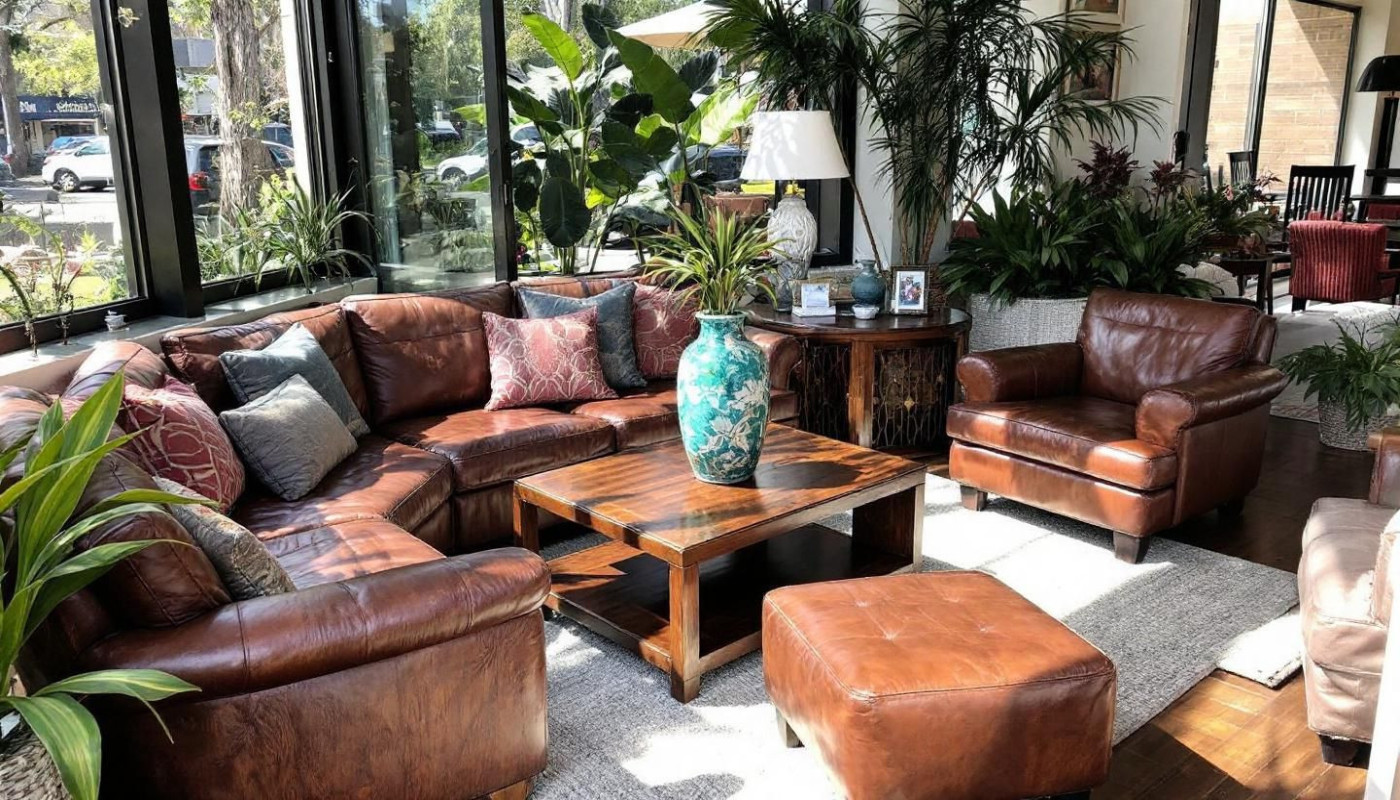
Integrating pre-owned luxury furniture into modern design schemes is a sophisticated approach that marries the principles of eco-conscious decor with the refined tastes of contemporary living. Adaptive reuse stands at the forefront of this movement, allowing cherished pieces to gain new relevance and elegance. Blending styles is achievable by positioning a classic luxury armchair alongside sleek, minimalist furnishings, or incorporating statement vintage tables that contrast with modern lighting fixtures. This technique not only infuses character and history into sustainable interiors but also ensures that each element maintains visual harmony. Layering textures and colors, as well as thoughtfully curating accessory placement, helps balance the aesthetic impact and prevents any clashing of eras or materials.
Similar

From Cart To Customer Care: What Online Wallpaper Stores Teach About Service Innovation

How To Enhance Your Bathroom With Stylish Accessories And Get Savings

Exploring The Benefits Of Modular Sofas For Versatile Home Layouts

Understanding The Fusion Of High Fashion And Fine Art In Home Decoration

Minimalism Trend; The Less Is More Approach to Decor
